
Self Care for Adult Children of Emotionally Immature Parents
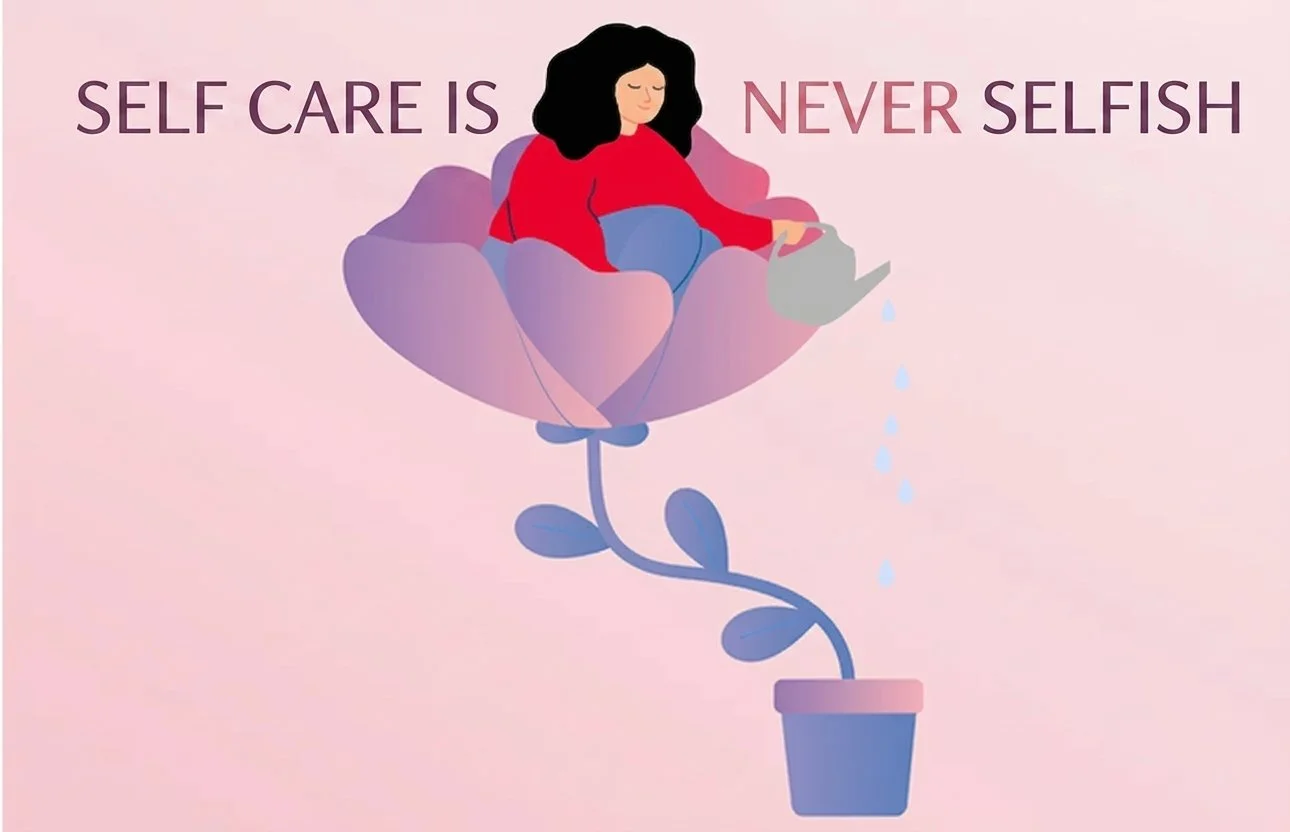
Gibson begins from the idea that if you grew up with an emotionally immature, unavailable, or self-focused parent, you may have learned to take care of everyone except yourself.
As a child, you depended on your parent for emotional connection and security. If that parent couldn't consistently recognize or respond to your feelings, you adapted. You may have learned to:
suppress your emotions
anticipate other people's moods
avoid upsetting people
take on too much responsibility
seek approval
make excuses for other people's behavior
put other people's needs ahead of your own
doubt whether your feelings and preferences were legitimate
Gibson's point is that these patterns can continue long after childhood. You can become a highly capable, caring, responsible adult while still not having a strong sense that your own wellbeing deserves equal consideration.
What “self-care” means in this book. Gibson isn't primarily talking about conventional self-care like taking a day off, having a bath, exercising, or buying yourself something nice. She defines self-care much more fundamentally as honoring and respecting yourself. That means learning to recognize:
“My feelings matter.”
“My needs matter.”
“My preferences matter.”
“I don't have to earn the right to take care of myself.”
The problem is that emotionally immature parents can teach their children the opposite: that setting limits is selfish, that approval is more important than authenticity, and that being highly empathetic means continually accommodating other people. The book is essentially asking you to move from:
“How can I keep everyone else happy?”
to:
“How can I take care of myself while having healthy, mutual relationships with other people?”
That doesn't mean becoming selfish or uncaring. It's about equal self-worth: your needs don't automatically become less important simply because someone else has stronger demands, louder emotions, or more difficulty tolerating disappointment. Gibson specifically frames the goal as moving toward relationships that are mutually supportive rather than relationships where you automatically sacrifice yourself.
Why this can feel uncomfortable? One of Gibson's important observations is that adult children of emotionally immature parents may have difficulty recognizing self-care as legitimate. You might experience guilt when you:
say no
disappoint someone
ask for something
express anger
stop explaining yourself
prioritize your own needs
refuse to rescue someone
establish a boundary
The guilt doesn't necessarily mean you're doing something wrong. It can be a sign that you're doing something unfamiliar. The book's purpose is to help you develop the emotional skills to tolerate that discomfort while becoming more authentic and self-protective. If I had to reduce Gibson's introduction to one idea, it would be:
You may have spent your childhood learning how to be emotionally responsible for other people. Adulthood gives you the opportunity to learn how to be emotionally responsible for yourself. You well deserve this opportunity, and it has been so long overdue!
There is always a way. Welcome to talk to me!
Your Wellness Counseling Clinic, Jing Huang, RSW, MSW